Knob and Tube Wiring in MA, NH
Many older homes in Massachusetts are running on knob and tube wiring. Established in the late 1800s, it was the first of the interior wiring systems found in residential properties. While K&T wiring isn’t necessarily dangerous on its own, its age and materials can increase your risk of electrical fires.
The expert electricians at Kuhlman Electric specialize in inspecting, repairing, and replacing knob and tube wiring in Massachusetts and New Hampshire. With three locations across the state, we can be at your property quickly to assess your home and provide you with a free estimate.
Contact Kuhlman Electric at (855) HIRE-KES today to learn more about our knob and tube wiring services, or to schedule an appointment with a skilled and qualified electrician.
We Can Help
Our electricians are the experts in knob and tube wiring in Massachusetts. If your home has knob and tube wiring. Give us a call and we can provide a free estimate.
What is Knob and Tube Wiring?
Knob and tube is an outdated wiring system that you will typically find in older homes built between the 1880s and early 1930s. It is an obsolete wiring method, and cannot be used with modern three-pronged appliances as there is no ground wire. It can be a safety hazard due to its age and proximity to insulation, but it is not inherently dangerous.
Some jurisdictions will require that knob and tube wires be replaced in accessible areas, while homeowners in other areas may just need to have it regularly inspected for their safety.
Does My Home Have Knob and Tube?
Finding knob and tube wiring in your home should be relatively simple. Go to your attic or basement and look at the joists. If you see white ceramic tubes or porcelain knobs nailed to the joists with electrical wiring running through them, that is knob and tube wiring.
Kuhlman Electric YouTube Channel
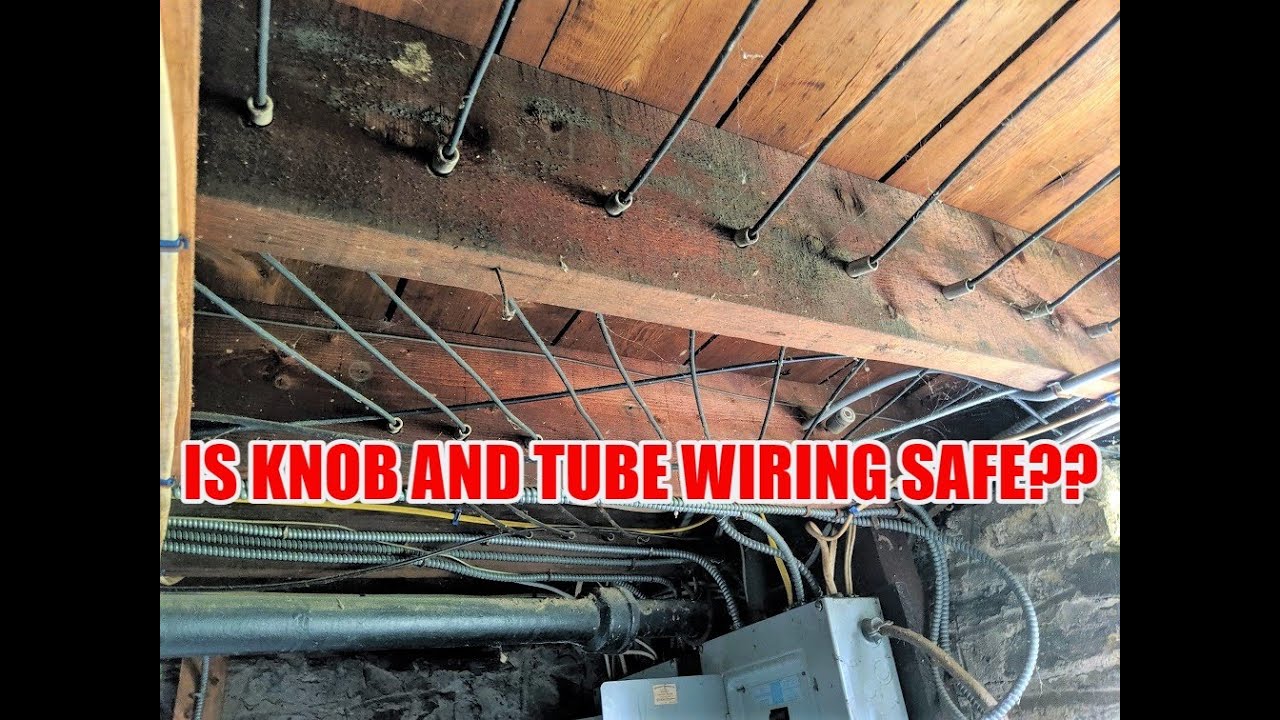
Kuhlman Electric YouTube Channel: 5 Issues With K&T Wiring
Check out the Kuhlman Electric YouTube Channel below to watch our video on the Top 5 Issues with Knob & Tube Wiring.
What Are the Problems With Knob and Tube Wiring?
While knob and tube wiring doesn’t always need to be replaced, there are a few factors that make it potentially more dangerous than modern wiring methods. Below, you’ll find some of the main reasons why you may want to consider contacting electricians like those at Kuhlman Electric to inspect or replace your K&T wiring.
K&T Wiring is Not Grounded
A knob and tube electrical system doesn't incorporate a ground. Ground wires were introduced for safety reasons, in order to give excess electricity a place to go. Ground wires absorb electrical surges, which prevents electrical shocks and fires.
Additionally, many modern electrical appliances require a ground wire to function. If your home has knob and tube electrical wiring, you’ll notice that your outlets only have two prongs. The third prong in modern outlets is for the ground wire, and you’ll be unable to use appliances with three-pronged plugs in these outlets.
Areas With It Cannot Be Insulated
Insulation companies cannot insulate homes with knob and tube. This wiring is run between joists with air space to dissipate heat. Whether insulation is blown in or standard pink that surrounds the old wiring, it can overheat and create a potential fire hazard.
Most insulation companies will require a licensed electrician to inspect all wiring to confirm that there isn't any concealed knob and tube. If K&T is found, it must be rewired to the modern standards set forth in the 2020 National Electrical Code (NEC).
Knob and Tube Wiring Insulation Becomes Brittle
This type of wiring was not meant to last more than 100 years. Homeowners will sometimes replace their 15- or 20-amp fuse with a more modern 30-amp fuse because they don't have enough power. This can cause the wire insulation to overheat since the wiring was not designed to carry such a high current.
When overheated, insulation becomes very brittle and breaks down. Whether homeowners replace their electrical box or install bulbs with higher wattages than the wiring can handle, the antiquated wiring system will begin to disintegrate and increase your risk of fire.
May Have Asbestos Insulation
While we know today that asbestos is dangerous, it was a very popular insulation method in the late 1800s and early 1900s thanks to its fire-resistant properties. While some knob and tube wiring is insulated with rubber, other homeowners may discover that their copper wiring is actually coated in asbestos-treated cotton.
As the electrical wires break down with age, you could potentially be exposing yourself to the harmful effects of asbestos.
Many Insurance Companies May Not Insure It
Because knob and tube increases your risk of fires, it can be difficult to find a homeowner’s insurance company that will accept you. You may either be unable to find a policy or be charged much higher premiums by an insurance company because of your wiring.
K&T Wiring Insulation Tastes Great (If You’re a Rodent)
Squirrels, mice, and other critters seem to love the insulation on knob and tube wiring. K&T wiring has thin paper or rubber insulation, making it more susceptible to chewing. These pests can leave bare wires exposed and increase the risk of fire or electrocution.
Contact Kuhlman Electric For A Free In-Home Estimate
The team at Kuhlman Electric will come to your home and inspect any active knob and tube wiring visible in your home. After identifying which of your home’s fixtures and appliances are running on knob and tube, we’ll provide a free estimate of the cost to repair or replace your current knob and tube system with modern wiring.
Contact us today at (855) HIRE-KES to schedule your free in-home estimate, or take a look at our Homeowner’s Guide to Knob and Tube Wiring Replacement.
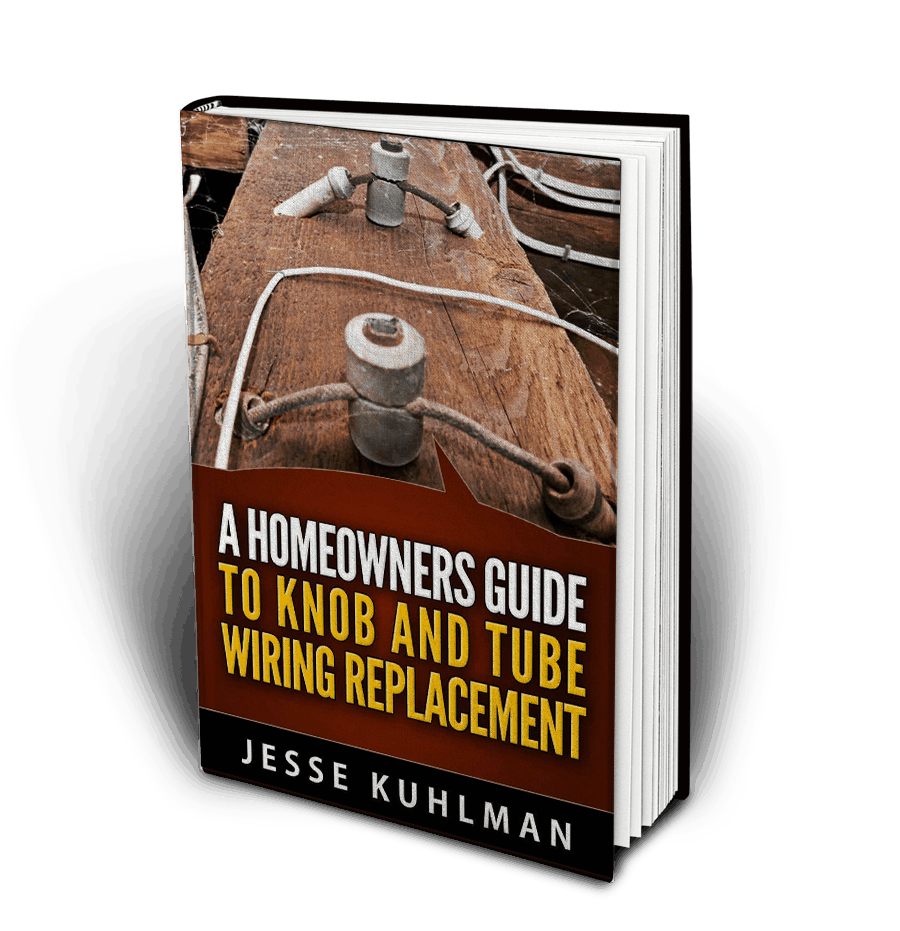
Check out our Knob and Tube Guide on Amazon!
A Homeowner's Guide to Knob and Tube Wiring Replacement
Author: Jesse Kuhlman, Owner of Kuhlman Electric
Now available for digital download. This e-book is made for those who want to upgrade the old electrical system of their home or want to know more about knob and tube replacement.
SPECIAL PRICE!
FAQs About Knob and Tube Wiring
Is Knob And Tube Wiring Safe?
Knob and tube wiring is not necessarily dangerous, but it is less safe compared to modern wiring systems. Its age, lack of a ground wire, and incompatibility with newer light fixtures and appliances pose a higher risk of electrocution and electrical fires.
Is Knob And Tube Wiring Up To Code?
This will depend on the area that you live in, but in most jurisdictions, knob and tube wiring is not up to code. In order to have your home properly insured or to have insulation installed, it is likely that you will have to have your wiring replaced to meet the standards of the NEC.
Will My House Burn Down Because Of Knob And Tube Wiring?
Not necessarily, no. Many people have lived safely in homes with existing knob and tube wiring. However, as these systems get older, they can increase the fire risk in your home. Their age and inability to support modern appliances can make the wiring brittle and overheated, which can cause them to spark and ignite the insulation within your walls.
Do I Have To Replace Knob And Tube Wiring?
It is highly recommended that you replace knob and tube wiring. While it is still legal to have K&T in your home in certain locations, replacing it with newer electrical systems can protect you from fires and allow you to use more modern electrical devices in your home.
How Much Will It Cost To Replace Knob And Tube Wiring?
The cost of your knob and tube removal varies based on a few factors, including the size of your home, the number of circuits, and accessibility. Contact Kuhlman Electric today at (855) HIRE-KES to receive a free estimate of the cost to replace your knob and tube wiring.